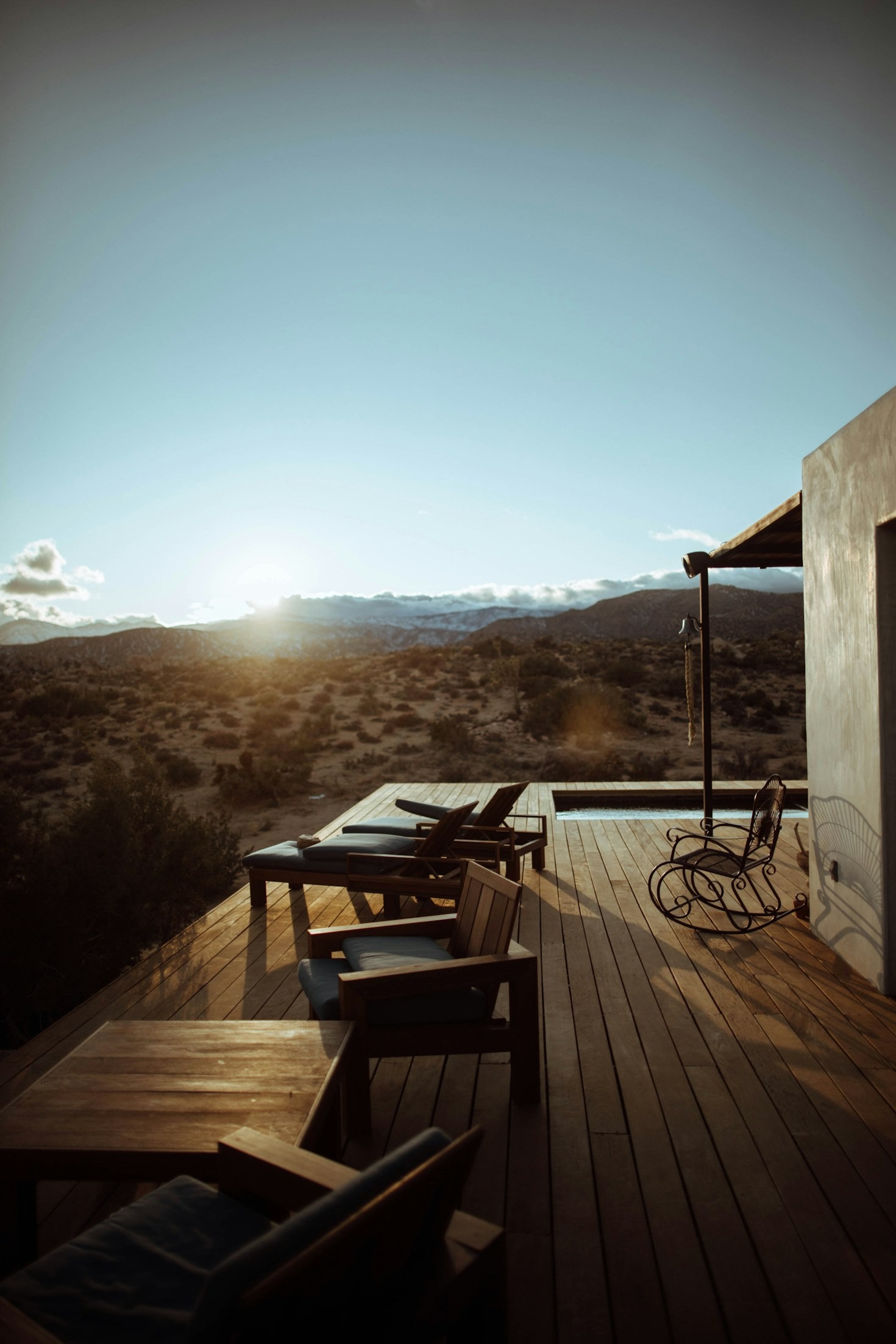
Brazilian hardwoods such as ipe, cumaru and tigerwood are some of the most beautiful and durable decking materials available. They are dense, naturally resistant to rot and insects, and can last for decades. But that same density means a Brazilian hardwood deck needs a different kind of care than cedar or pine. If yours has faded to silver-gray, it can usually be restored.
Why Hardwood Decks Turn Gray
All wood exposed to sunlight slowly loses its color as UV rays break down the surface fibers. On a hardwood deck, that weathering creates a silver-gray patina. Many homeowners like that look, and it does not mean the wood is failing. But if you want the rich brown color back, the gray layer has to be cleaned and sanded away and the wood protected again.
Why Regular Stain Does Not Work Well
Brazilian hardwoods are so dense and oily that many standard deck stains cannot soak in. Instead, they sit on the surface and peel or flake. Hardwoods do best with penetrating oil finishes formulated for exotic woods, applied in thin coats so the wood absorbs what it can.
How a Brazilian Hardwood Deck Is Restored
1. Deep Cleaning
A cleaner made for hardwoods removes dirt, mildew and the gray surface layer. Lakefront decks often have algae and mildew in shaded corners that need extra attention.
2. Brightening
A brightener restores the natural color of the wood and balances the surface after cleaning.
3. Sanding Where Needed
Hardwood is tough on sandpaper, but light sanding smooths raised grain and helps the oil absorb evenly. Heavily weathered or uneven boards may need more.
4. Oiling
A penetrating hardwood oil with UV protection is applied in thin coats, and any excess is wiped off before it can get sticky. The result is a deep, even color that shows off the grain.
How Often Does It Need Oil?
On the lakeshore, a hardwood deck in full sun often needs a maintenance coat every year or so to keep its color. Shaded decks can go longer. A good test is color: once the boards start to lighten, it is time for a light cleaning and a fresh coat, which is much easier than a full restoration.
Keep It Looking Its Best
- Sweep off sand, leaves and pine needles so moisture does not sit on the boards
- Rinse off pollen and dirt in spring
- Use furniture pads to prevent scratches
- Clean up grill grease and spills quickly
Have a cedar or pine deck instead? Read why cedar and pine decks need specialized care.
Planning a deck project along the lakeshore? See our deck services or contact us for a free on-site estimate. Call or text 269-292-2612.
Leave a Reply
You must be logged in to post a comment.